Winter Journalling Prompts for Dark Evenings and Quiet Reflection

By mid-December the light has gone by four in the afternoon and the evening arrives before you have decided what to do with it. It is tempting to treat those hours as something to get through — the television, the early night, the countdown to lighter mornings. But they are also the quietest hours you will get all year. No garden to weed. No one expecting you to be out. Nothing much on.
Winter journalling is a smaller thing than the bright, ambitious version people begin in January with a new notebook and a list of goals. It is a few lines before bed, or a page on a Sunday afternoon with the lamp on and the heating clicking. You are not trying to produce anything. You are trying to think in sentences instead of in circles.
What follows are prompts grouped by what winter tends to ask of us: rest, reflection and slow planning. Borrow the ones that fit, ignore the rest, and do not treat any of it as homework.
The darkest weeks are unglamorous, and that helps. There is less to do, fewer people to see, less to compare yourself with. Reflection happens more easily when nothing is competing for the evening, and it is hard to perform on the page at nine o'clock in February with a mug going cold beside you.
Winter also gives you natural edges: the end of the year, the start of a new one, the long stretch of January that nobody enjoys much but everybody gets through. Those edges are useful for looking both ways at once.
Most abandoned journals fail for boring reasons. The notebook is in a drawer. The pen has run out. The only free time is at eleven at night, when you have nothing left to say. Remove the friction and the writing tends to look after itself.
If mornings suit you better, use them. There is no rule that reflection belongs to the evening — only that it needs a few minutes you are not spending on anything else.
These are for the weeks when you are tired rather than thoughtful, which is most of them.
Some of these dig deeper than expected. If you find that low mood or anxiety is following you through the winter rather than visiting, that is worth mentioning to your GP rather than working through alone in a notebook.
December and January are the only weeks when the whole year is close enough to touch. Use them before the details blur.
Write three short lists: five things that ended, five that started, five that carried on regardless. It takes ten minutes and shows you the shape of the year faster than any long entry.
August: the house was too quiet, and then it was not. I stopped pretending to enjoy Tuesday evenings.
That is the level of detail you want — specific, unsentimental, true. A single line like that is worth more than three pages of summary.
Resolutions are usually a list of things you believe you should want. Slow planning asks a different question: given the life I actually have, what would make the next three months easier or better?
Then turn one answer into an action small enough to be dull. Not "get healthier" but "walk to the shop instead of driving on Tuesdays". Not "sort out my finances" but "find the pension letter and put it in one folder". Small and dated beats large and vague every time. For anything involving money, debt or benefits, a short conversation with a qualified adviser will get you further than a notebook will.
Some evenings the questions will irritate you, and that is information rather than failure. Write about why the prompt annoys you. Answer it in the third person, as though about somebody else. Write ten possible answers without stopping, however silly. Or take one prompt and keep it for a week, adding a line a day until something accumulates.
Another approach is to write to a person without any intention of sending it — a friend, a relative, someone you have not spoken to in years. The voice changes immediately, and usually for the better.
Pick three prompts from this piece and write them at the top of a page. That is your winter. If three feels like a lot, choose one question and answer it every Sunday until the clocks go forward.
Keep the notebook visible, and do not try to catch up on days you missed — just carry on from where you are. Once a fortnight, read back a few pages and underline any line that still rings true; those underlined lines are what you actually think, and they are worth revisiting in March.
Make the start of a session easy and slightly pleasurable: kettle on, phone in another room, lamp switched on. Then write for ten minutes, or until the tea goes cold. That is the whole practice, and it will hold until the light comes back.
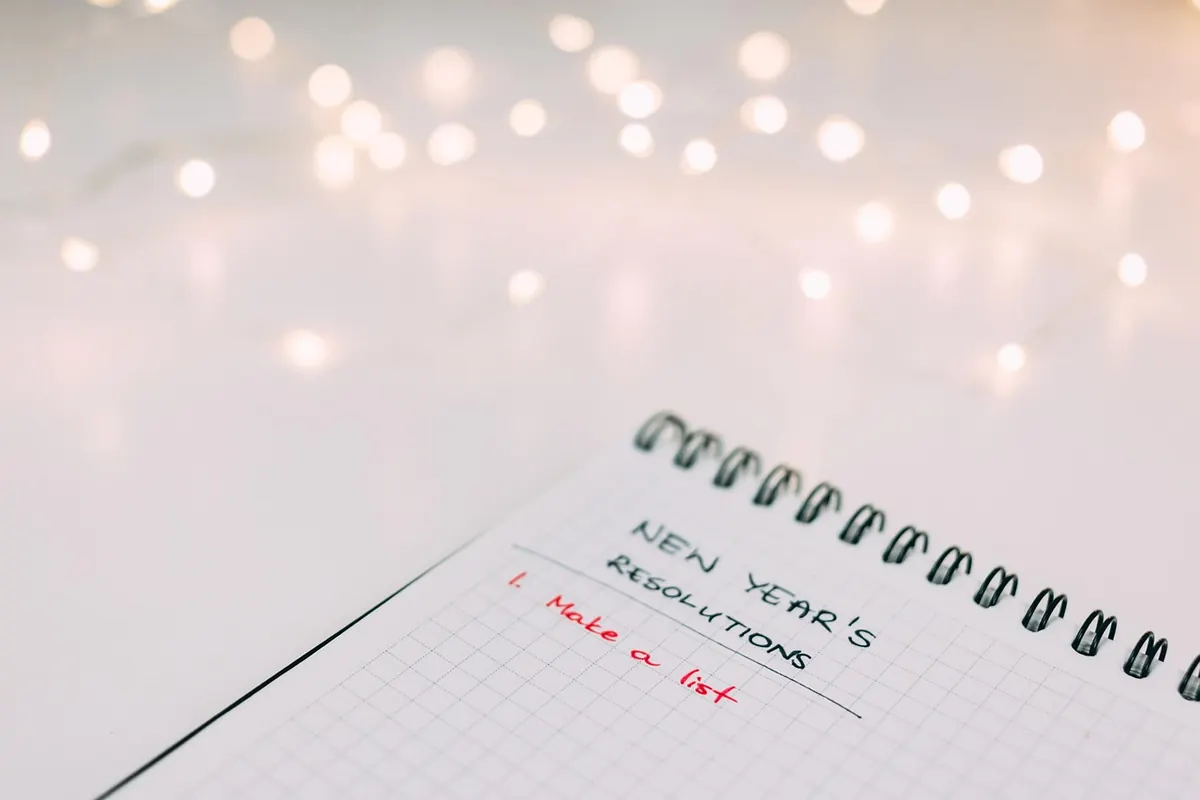
Photo: Andrey_and_Olesya / Pixabay