How to Plan a Weekend Break in the Cotswolds with a Travel Journal
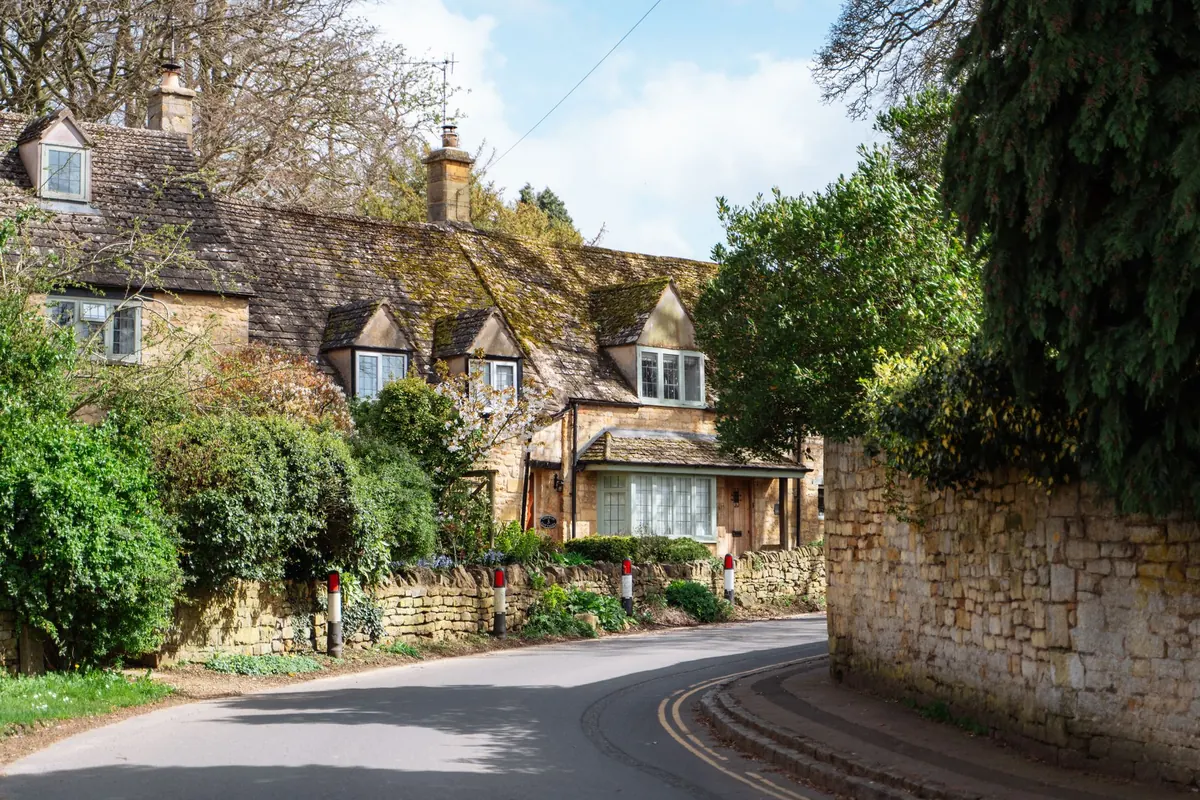
Two days in the Cotswolds is enough to see why people keep coming back, and not quite enough to see it properly. That is rather the point. The villages sit close together, the lanes between them are narrow and slow, and the best parts of a trip are usually the unplanned ones — a churchyard you stop at because the gate was open, a pub garden that turns lunch into the whole afternoon. A travel journal keeps those small moments from sliding into one long blur of honey-coloured stone. Here is a two-day plan, and what to write down while you are there.
The Cotswolds stretch in a long diagonal from around Chipping Campden in the north down towards Bath. Trying to cover the whole area in a weekend means spending most of it behind the wheel, watching villages slide past the window.
Pick a side and stay there. The north gives you Chipping Campden, Broadway, Snowshill and Stow-on-the-Wold. The south gives you Burford, Bibury, Cirencester, Painswick and Tetbury. Both are lovely; mixing them is what makes a weekend feel rushed.
Then choose a base with three things: somewhere to park, a pub within walking distance, and a breakfast you will actually get up for. Village pubs with rooms and small guesthouses book up early in summer and around Christmas-market season, so reserve before you plan anything else. Check the check-in window, too — a lot of small places close their reception in the afternoon, and arriving at four o'clock to find nobody there is a poor start.
Five minutes of preparation turns a blank notebook into something you will actually use. Keep it in your bag or coat pocket rather than the boot of the car, and keep a pen with it that works.
Start in Chipping Campden, where the High Street curves gently and the old market hall sits in the middle of it. Walk it slowly, then drive the few minutes to Broadway. If the weather is kind and your legs are willing, the walk up to Broadway Tower takes the best part of an hour and gives you the wide view that the villages themselves never do.
Snowshill is small and quiet, and the manor there is worth an hour if it is open. Otherwise take the back lanes through Stanton and Stanway, where the stone turns the colour of weak tea in the afternoon light. Stop somewhere for tea and write while you wait for it to arrive — that ten minutes is usually the most productive writing of the day.
Eat in the village you are staying in. Most kitchens stop serving between the afternoon and early evening, so check times rather than assuming you can eat at half past five.
Head for Stow-on-the-Wold, then Bourton-on-the-Water. Bourton is one of the busiest villages in the region — go early, before the coaches, or leave it until late afternoon when the light softens and the river turns glassy.
Burford is a good lunch stop, with a long sloping high street and a church worth the short climb. From there, Bibury and its row of weavers' cottages is the postcard everyone comes for; it is genuinely beautiful and genuinely crowded, so treat it as a fifteen-minute stop rather than an afternoon. If you would rather have quiet, swap in Painswick with its churchyard of clipped yews, or Cirencester, which is a proper town with a market and a good church, and far less photographed than it deserves.
Do the finishing work within a day of getting home, while the details are still warm. Write half a page summarising the trip, then add a short list headed next time — the walk you did not do, the pub that was full, the garden that closed on the day you passed. Date the summary and write the place names at the top of the page so you can find it again without reading everything.
Tuck in anything flat: a receipt, a leaflet, a beer mat. Note down roughly what you spent on the two days if you like to keep track, though treat that as a rough record rather than a budget. And if you are driving, plan for the practicalities before you go: download an offline map, since signal drops in the valleys, expect single-track lanes with passing places, and give yourself more time than the satnav suggests.
Two days will not cover the Cotswolds, and that is a good thing. The notebook is what turns a pleasant weekend into a place you can return to on a wet Tuesday in February — the stone, the tea, the wrong turn, all of it still there on the page.
Photo: Daria Agafonova / Pexels
Previous Post
Spring Journalling Prompts for a Clearer Mind and Fresh Start
Next Post
Journalling for Anxiety: A Gentle Explainer with Calming Prompts